

City of Gresham
Digital Accessibility in the City of Gresham: A People-First Approach
By Mike Hess
Many localities are scaling up digital accessibility remediation projects in response to regulatory changes brought about by ADA Title II deadlines.
Too often, large-scale remediation projects are treated purely as an IT problem that can be solved with automation. However, “set it and forget it” solutions fundamentally undervalue the pillars of a mature accessibility practice: policy, process, training, and ongoing manual review.
The City of Gresham’s people-first approach to digital accessibility
The City of Gresham provides a template for a smart, people-first approach to advancing organizational accessibility maturity. Recently, the City kicked off a major, 4-month accessibility overhaul of policy, platforms, and content with a city-wide digital accessibility roadmap and awareness campaign.
The City Manager’s Office brought together stakeholders and departmental leadership from across the City to make this initiative visible and underscore its importance for all.
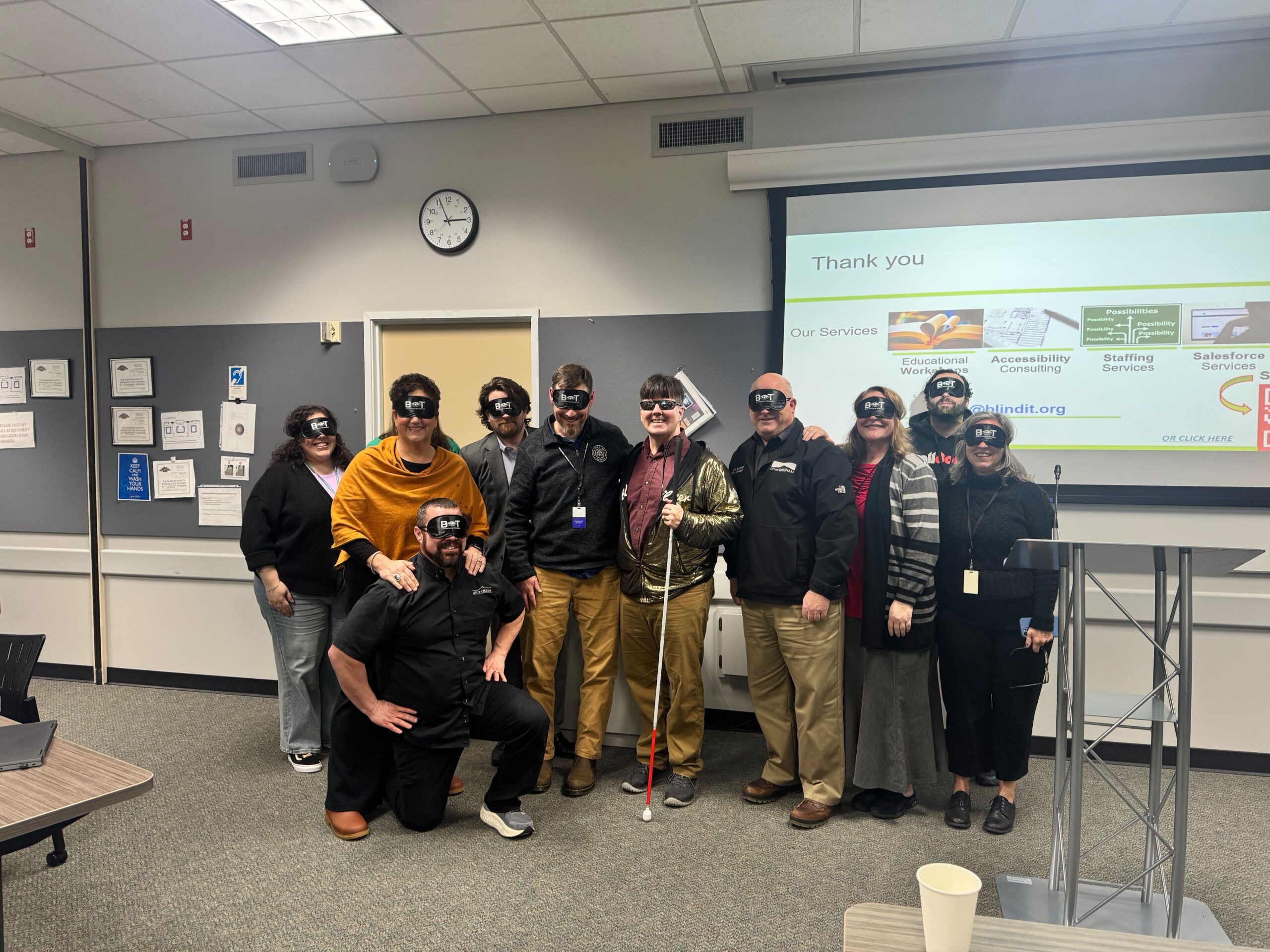
I was honored to join Gresham’s kickoff. City leadership engaged in a lively conversation, and the energy in the room was palpable. Accessibility is intentional. It’s a team sport. And, everyone has a role to play.
Overall, this kick-off struck me as particularly thoughtful. Gresham is tackling an awesome challenge with an investment in people and making the work personal for all.
The City is heavily invested in our people and processes. Meeting with Mike underscored the importance of our digital accessibility investment. Mike’s workshop set the stage for an organization-wide commitment.
— Karen MacKnight, Web Content Manager
Why people-first just works
Large-scale projects with multiple stakeholder groups often run into timeline and scope issues when stakeholders are not properly engaged at the outset.
Digitally, cities and counties are a patchwork of dozens, sometimes hundreds, of platforms and integrated systems: CMS-powered websites, third-party SaaS platforms, and custom applications. In turn, this digital diaspora is supported by multiple departments, programs, and units, with each team creating content — often PDFs — independent of one another, and of uneven quality.
Stakeholder engagement is a critical step to creating the governance infrastructure required to build a mature, enduring accessibility practice that consistently produces WCAG AA-compliant user experiences and PDF/UA-compatible documents.
Gresham set their accessibility maturity project up for success: engaging leadership early, opening lines of communication with creators, and providing a shared vision for digital accessibility across the organization.
How are you making digital accessibility a priority?
BIT helps organizations navigate a fast-changing regulatory environment. We particularly value working with cities, counties, towns, and local government agencies — organizations that manage the platforms and content that connect constituents to critical services and civic engagement.